

I can still remember the excitement of starting an ecology career, my first ecology job. I had been studying for years, learning as much as I could take in, and dreaming of this day. Finally, I was an ecological consultant. But with the excitement of setting foot on my new career path came a sense of fear. I started doubting myself; were my identification skills good enough? Did I know all the legislation? Would I be able to keep up with my new colleagues?
Looking back now, after many years working in the industry and training graduates to become ecological consultants, all these worries are totally normal. Over the years after I started out in ecological consultancy, I learned so many things I had never learned from my degree or a textbook. Some of those things would prove to be the most important lessons I could learn. So, if I could sit down with my younger self today, this is what I would say.
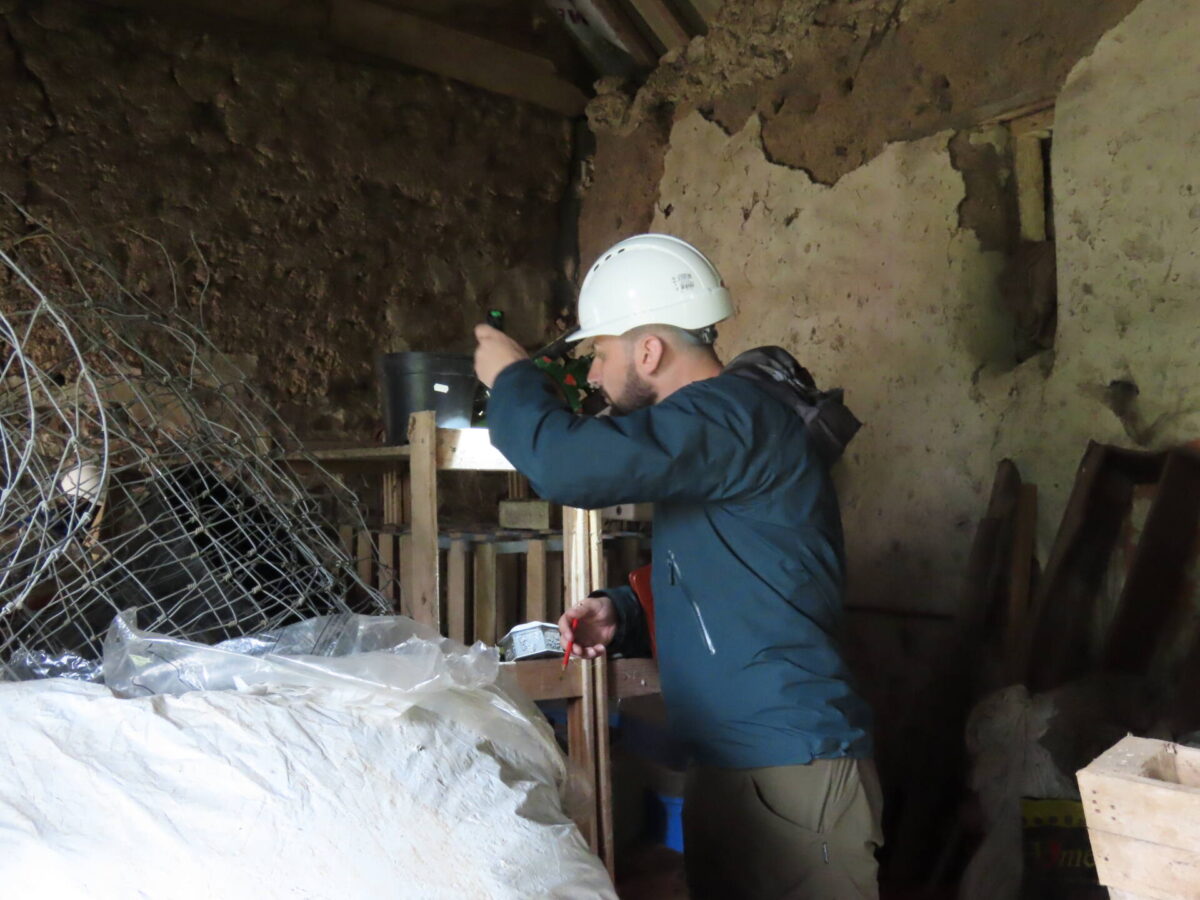
You don’t need to know everything when starting a career in ecology
One common misconception with graduates starting an ecology career is that they don’t know enough. They often think that they need to know every protected species, every piece of legislation and every habitat in order to get a job. This simply isn’t true. And of course, if you have already been offered a job, you have strong evidence to support this!
Ecologists, even the really experienced ones, continue learning throughout their careers. We regularly update our knowledge of legislation, use identification guides and discuss unusual findings with our colleagues. In fact, the continued learning, and being surrounded by other enthusiastic and open-minded individuals is part of the fun of the job! What employers are really looking for is someone who can admit when they don’t know something, and who is excited to find the answer.
Good field notes are key
When you’re on site, everything feels vivid and memorable. It’s easy to convince yourself you’ll remember exactly where the badger sett was, how the weather changed during the bat survey or which corner of the field contained the orchid. A few days later, when you’re writing the report, those details are often much less clear. Developing good recording habits from the beginning will save you countless hours and make your reports far stronger. Complete survey forms carefully, annotate maps, record weather conditions and make notes that someone else could understand months later. When you sit down to write your reports, you’ll be very grateful for your good notes.
Report Writing Is a Huge Part of the Job
Before I became an ecological consultant, I imagined I’d spend almost every day outdoors. While fieldwork is undoubtedly one of the most rewarding parts of the profession, it’s only part of the story. Every survey has to be analysed, interpreted and presented in a clear, professional report. Quite often, writing the report takes longer than carrying out the survey itself. Employers value graduates who can organise information logically, write clearly and pay attention to detail just as much as they value strong field skills.
Ecology Is About People as Much as Wildlife
Most of us choose ecology because we enjoy being outdoors and working with wildlife, but you’ll soon discover that much of your day involves working with people. Clients, planners, architects, engineers, contractors and fellow ecologists all play a role in the projects you’ll be involved with. One of the most valuable skills you can develop is the ability to explain ecological issues clearly to people who don’t have an ecological background. Building good relationships and communicating professionally are just as important as recognising species in the field.
The Weather Will Become Surprisingly Important
Before starting an ecology career, I may have checked the weather to decide what to wear. But now it’s one of the first things I look at the day before a survey and every morning. Wind, temperature and rainfall all influence whether surveys can take place and how successful they’re likely to be. Bat surveys may need to be postponed because conditions are too windy or it is raining, reptiles may remain hidden on cool mornings or super hot spells and heavy rain can affect amphibian surveys. Before long you’ll find yourself discussing weather forecasts with remarkable enthusiasm and secretly welcoming the occasional rainy day because it gives you a chance to catch up on report writing.
Every Survey Is an Opportunity to Learn
One of the things I still enjoy most about ecology is that no two surveys are ever quite the same. You might visit the same site dozens of times and still notice a species you’ve never recorded before or observe behaviours you’ve never seen. The natural world has a wonderful habit of surprising us. Never lose that sense of curiosity. The best ecologists are those who continue asking questions, however experienced they become.
You’re Starting a Career in Ecology, So Don’t Be Afraid to Ask Questions
When you’re new, it’s easy to worry about looking inexperienced. In reality, asking sensible questions is one of the quickest ways to develop your knowledge. Every experienced ecologist remembers being a graduate, and most are more than happy to explain why they’ve made a particular decision or how they’ve confirmed an identification. Learning from colleagues is one of the greatest advantages of working in consultancy. Take every opportunity to do so.
Health and Safety Is Part of Being Professional
Working in ecology often means surveying construction sites, crossing rough ground, working near water, carrying out surveys after dark and driving long distances between projects. Looking after wildlife is only part of the job; looking after yourself and your colleagues is just as important. Risk assessments, appropriate PPE and safe working practices aren’t obstacles to the job, they’re an essential part of it. Never feel under pressure to continue if conditions become unsafe. There will always be another opportunity to complete the survey. If you’re just starting an ecology career it can be more difficult to know when to draw the line, but the sooner you learn this, the better!
No Two Days Are Ever the Same
One of the greatest attractions of ecology is its variety. In a single week you might carry out a dawn breeding bird survey, spend a day mapping habitats, write reports in the office, attend a client meeting and finish the week watching bats emerge from a church roof at sunset. Some days are physically demanding, others are spent behind a computer, but very few are repetitive. If you enjoy variety, you’ll probably love ecological consultancy.
You’ll Never Stop Learning
Perhaps the most important lesson of all is that graduating doesn’t mark the end of your education, but rather the beginning. Every year brings new guidance, changes in legislation, improved survey methods and opportunities to develop your skills. You’ll become more confident with experience, not because you eventually know everything, but because you learn how to approach unfamiliar situations and where to find reliable information. Even after many years in the profession, I’m still learning, and I hope I always will be.
All Ecologists Were Starting a Career in Ecology Once
If you’re starting an ecology career, or about to start your first job in ecology, remember that every experienced ecologist was once standing exactly where you are now. We all worried about whether we knew enough, made mistakes and gradually built our confidence through experience. Don’t put pressure on yourself to be perfect. Be curious, take good notes, ask questions, work safely and keep learning. The knowledge will come with time, and before long you’ll be the one encouraging the next graduate who joins the team.
Written by our Principal Ecologist, Sue Searle.
You might also find the following Blogs useful:


