
Freshwater Online Course Bundle
 No Prerequisite
Did you know that freshwater makes up only 3% of Earth’s water, and only 1% of that is readily available for agriculture, drinking, industry, transport, and energy? The rest is in glaciers, groundwater and the atmosphere. This tiny amount of water is in rivers, lakes, streams, ponds, and wetlands, and it contains 10 times the biodiversity of land and ocean.
This course bundle comprises four freshwater courses:
Freshwater Ecosystems and Ecology
And two of the following courses:
Water Vole Ecology and Surveying
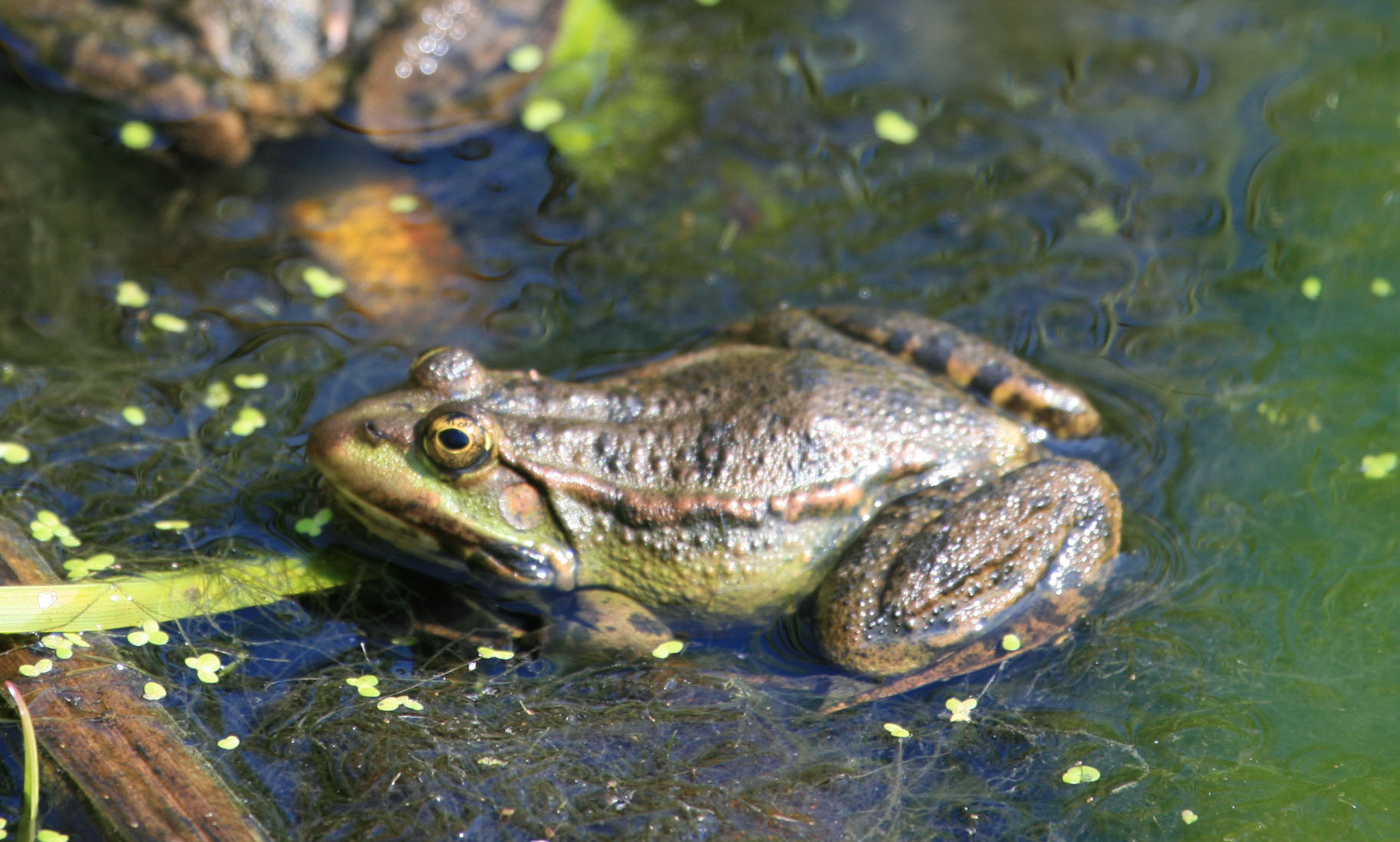
Great Crested Newt Ecology and Surveying
See a course overview for each course below; you can also view each as a stand-alone course on our website.
Save £50 with this bundle.
Freshwater Ecosystems
Course Outline:
- Understand the diversity and importance of freshwater habitats
- Describe the various geomorphological, hydrological, biological and chemical characteristics of these habitats
- Display an understanding of freshwater primary productivity and food webs
- Recognise some of the key organisms in freshwater habitats, their adaptations for survival and their interrelationships
- Understand the environmental threats facing freshwaters and the consequences that these have on the global environment
- Describe freshwater resource management strategies
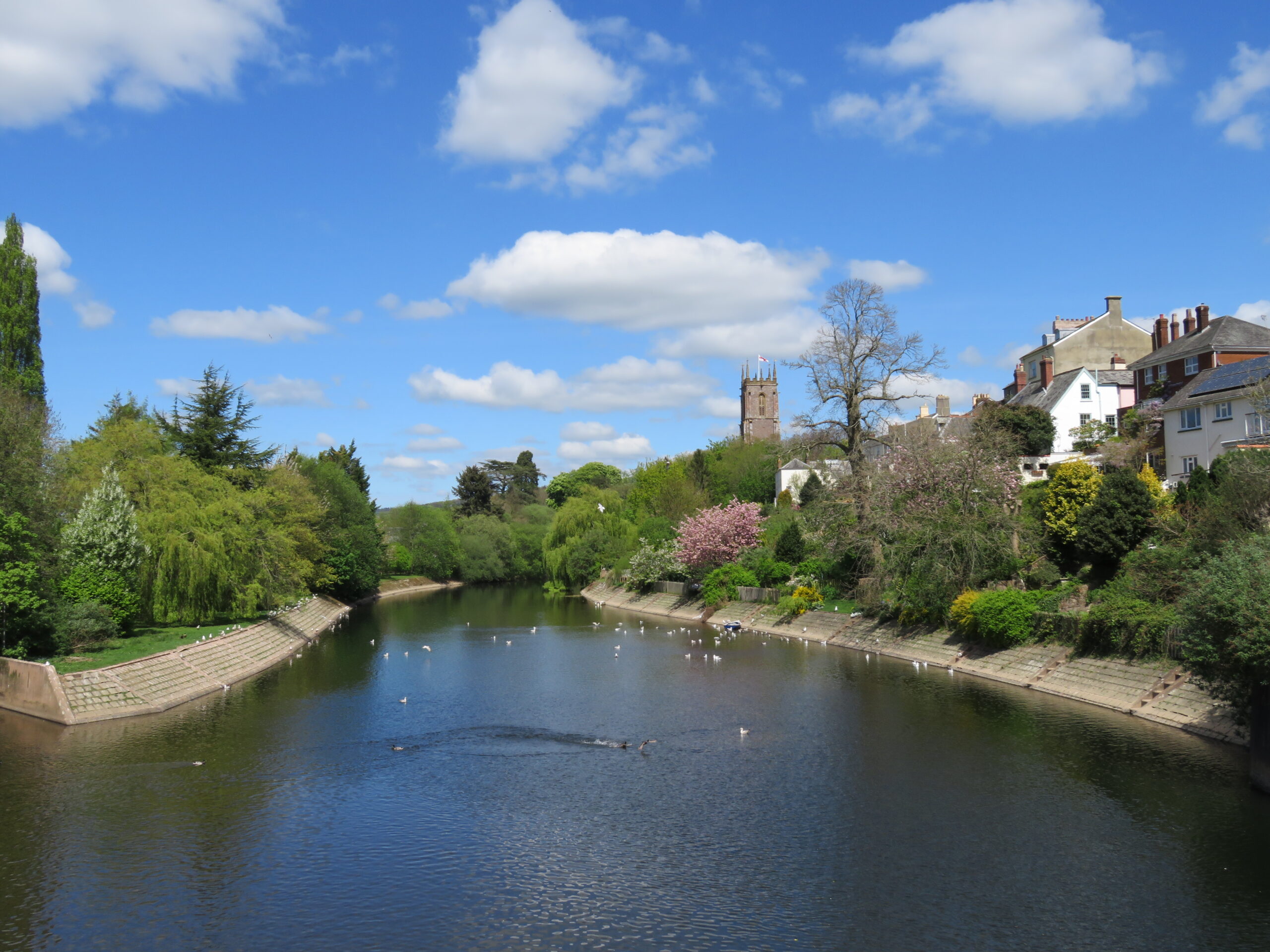
River Restoration
Course Outline:
- Natural River Processes
- Rivers and Biodiversity
- Rivers and Man
- Why Restore Rivers?
- Key River Restoration Methods
- Planning River Restoration Projects
- Case Studies: Global and Europe
- Case Studies UK
- The Future of our Rivers
Water Vole Ecology and Surveying
Course Outline:
- Water vole biology and ecology
- Identifying water voles and their field signs
- Legal status of water voles
- Water vole conservation
Otter Ecology and Surveying
Course Outline:
- Otter biology and ecology
- Identifying otters and their field signs
- Legal status of otters
- Otter conservation
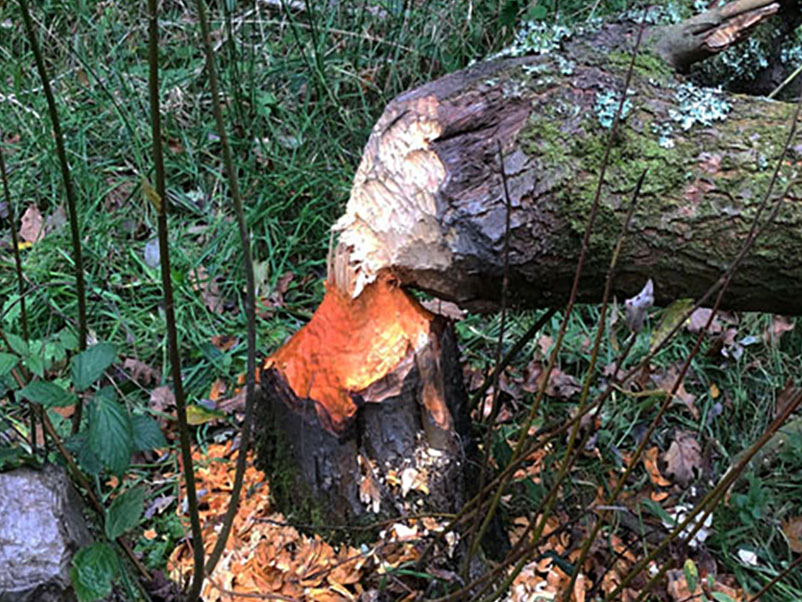
Beaver Ecology and Surveying
Course Outline:
Part 1 – Beaver Ecology and Survey Techniques – in this video, we cover beaver ecology, history, introductions, beavers in Europe, and field signs with your tutor, Sue Searle BSc, PGDip, MCIEEM, Principal Ecologist. Playing Time: 1hr 25 mins.
Part 2 – Beaver Field Signs – here, your tutor goes out searching for beaver signs along the River Otter in Devon and at the Cornwall Beaver Project. Playing time: 12 mins.
Great Crested Newt Ecology and Surveying
Course Outline:
- Ecology and habitat requirements
- Newt identification
- Legislation and licences
- Survey techniques
- Habitat Suitability Index
Part 1 – covers Ecology, identification, legislation, threats, habitat management and diseases. Run time: 1 hr 34 mins.
Part 2 – covers surveying for GCN, including bottle trapping, netting, egg searching, torching, eDNA sampling and Habitat Suitability Index assessments. Run time: 35 mins.
At the end of each course, you will take a quiz; if you score 70% or more, you will receive a Certificate.
You May Also Like