

Understanding how to get your dormouse licence is an important step for any ecologist hoping to work with this protected species in the UK. Hazel dormice are one of our most strictly protected mammals, and surveys or mitigation work involving them can only be carried out by suitably experienced and licensed individuals. While the process can take time, gaining a dormouse licence is a valuable professional milestone and one that opens a wider range of ecological work.
What Is a Dormouse Licence?
Before looking in detail at how to get your dormouse licence, it is useful to understand what a dormouse licence is. A dormouse licence is a legal permission issued by the relevant statutory nature conservation body (e.g. Natural England in England), allowing an ecologist to carry out activities that would otherwise be illegal. This includes handling dormice, checking nest boxes, disturbing nests, or disturbing dormouse habitat during surveys and development-related work.
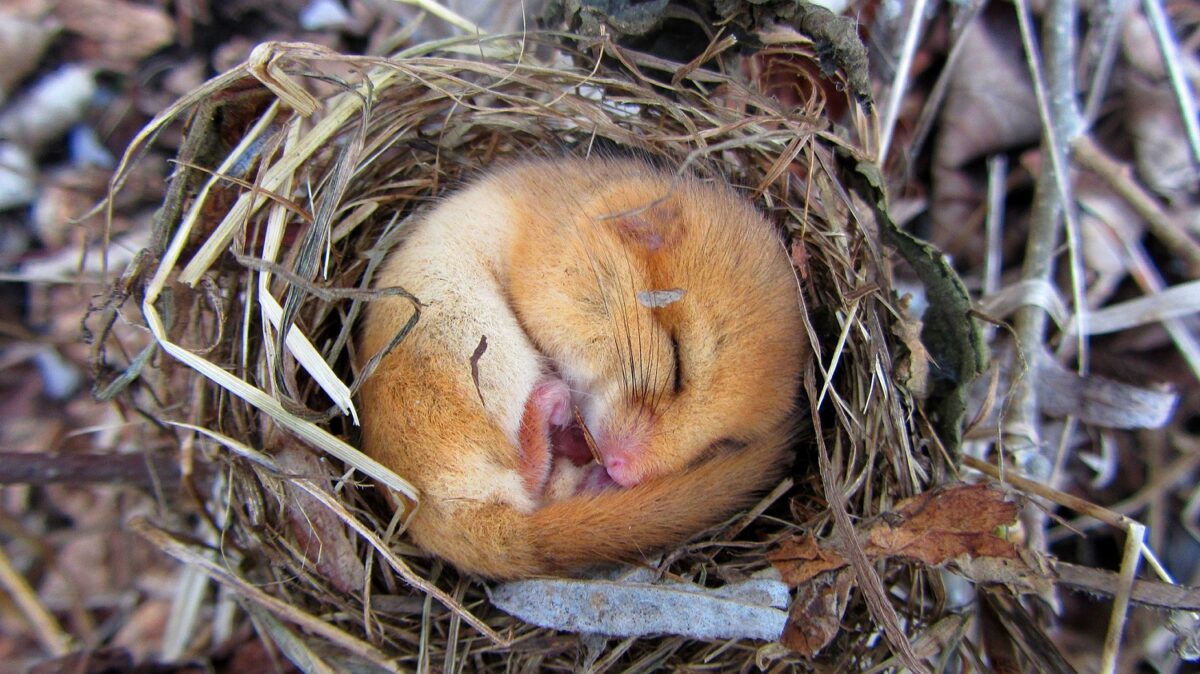
Dormice are small, nocturnal mammals best known for their long periods of hibernation and their reliance on well-connected woodland, hedgerows and scrub. In the UK, the hazel dormouse has declined significantly due to habitat loss and fragmentation, which is why it receives such a high level of protection. Because of this, licensing authorities require ecologists to demonstrate a strong understanding of dormouse ecology, legislation and survey techniques before granting a licence.
Why a Dormouse Licence Is Important for Ecologists
Knowing how to get your dormouse licence is not just about meeting legal requirements; it is also about professional development. Many ecological consultancy roles involve protected species surveys, and dormice are frequently a consideration on development sites especially in the more southern counties of the UK. Without a licence, your ability to lead surveys or sign off reports may be limited, particularly as you progress in your career.
Holding a dormouse licence demonstrates competence, experience and trustworthiness. It shows clients, employers and regulators that you can work responsibly with a highly protected species. For freelance ecologists or those looking to expand their skill set, a dormouse licence can also increase employability and the range of projects you are able to take on.
Understanding the Legal Framework
A key part of how to get your dormouse licence is understanding the legislation that protects dormice. Hazel dormice are protected under UK law, making it an offence to intentionally kill, injure or disturb them, or to damage or destroy their breeding sites or resting places. This legal framework underpins the licensing process and explains why experience and training are taken so seriously.
When applying for a licence, you are effectively demonstrating that you can carry out necessary work while minimising harm to dormice and their habitat. This requires not only practical survey skills but also sound judgement and a thorough understanding of when and how licensed activities should be undertaken.
Gaining Practical Dormouse Survey Experience
Practical experience is at the heart of how to get your dormouse licence. Most applicants build this experience by working under the supervision of an existing dormouse licence holder. This typically involves several active seasons of dormouse surveys, including nest tube checks, nest box monitoring and habitat assessments.
It is important to gain experience across a range of sites and conditions, as well as dealing with dormice at different developmental stages (i.e. adults and young), as this helps develop confidence and competence. Keeping accurate records of your involvement, including dates, locations and the type of work carried out, is essential. These records will form a key part of your licence application and help your referee support your competence.
Building Knowledge Through Training
Alongside practical experience, training plays a vital role in how to get your dormouse licence. Formal training helps to reinforce best practice, improve identification skills and deepen understanding of dormouse ecology and behaviour. It also provides an opportunity to learn from experienced practitioners and ask questions that may not arise during routine survey work. Training is also a requirement of the licence application.
Ecology Training UK’s Dormouse Ecology and Surveying course is designed to support ecologists at various stages of their career, including those working towards a licence. The course covers dormouse biology, habitat requirements, survey methods and legislation, providing a strong foundation for anyone looking to gain or consolidate experience. While attending a course alone will not result in a licence, it is an important part of demonstrating commitment to professional development. You will need to complete a Dormouse Training Log for your licence and relevant parts of this can be signed by our licenced trainer here at ETUK once you have completed the course.
The Role of Referees and Mentors
An often-overlooked aspect of how to get your dormouse licence is the importance of professional relationships. To apply for a licence, you will usually need two referees who already holds a dormouse licence and can vouch for your skills and experience. This makes it essential to work closely with licensed ecologists who are willing to mentor and support you.
Developing these relationships takes time and professionalism. Being reliable, engaged and keen to learn will help build trust and ensure that your referee can confidently support your application when the time comes.
Applying for Your Dormouse Licence
Once you have sufficient experience and training, the next step to get your dormouse licence is submitting an application. This typically involves providing a detailed account of your experience, evidence of training attended, and a supporting statement from 2 referees who also hold a licence.
There are 2 survey licences for dormice. These differ in the methods of surveying permitted:
- Level 1 (reference WML – CL10(a)) permits surveying by taking by hand, including handling of dormice in nest tubes and nest boxes (this is the most common one people have)
- Level 2 (reference WML – CL10(b)) additionally permits marking by way of fur clipping
Applications are assessed carefully, and it is not uncommon for applicants to be asked for additional information. Taking the time to ensure your application is clear, thorough and well-supported can make a significant difference. Patience is also important, as licensing authorities may take time to process applications, particularly during busy periods.
Continuing Professional Development After Licensing
Understanding how to get your dormouse licence also means recognising that learning does not stop once a licence is granted. Maintaining competence requires ongoing professional development, continued survey experience and staying up to date with changes in guidance and legislation.
Many licensed ecologists continue to attend training courses, mentor others and expand their experience across different project types. This not only benefits individual careers but also contributes to better outcomes for dormouse conservation.
Getting Your Dormouse Licence
Learning how to get your dormouse licence is a gradual process that combines experience, training and professional responsibility. While it requires commitment, the rewards are significant. A dormouse licence is an important credential for ecologists working with protected species and reflects a high standard of ecological practice. Typically you would need to complete at least one season (April to October) of monthly dormouse nest box checks and have handling experience of different life stages.
With structured experience, relevant training such as our Dormouse Ecology and Surveying course, and the support of licensed mentors, gaining a dormouse licence is an achievable and worthwhile goal for many ecologists.