

Bees sit at the centre of healthy ecosystems. But why are bees important? They are critical to food production, help maintain plant diversity, and are a key food source for larger animals such as birds. Their decline has become a major conservation and economic concern. For ecologists and land managers, understanding pollinators is now a core skill.
Of course, bees aren’t the only pollinators. There are also a huge number of wasps, hoverflies, beetles, flies, lacewings, birds and even bats and other mammals that act as pollinators. However, bees are an emotive group and often act as the cheery face of pollinators as a whole. World Bee Day on the 20th of May offers an annual reminder of how vital these species are and why professional skills in conservation matter so much.
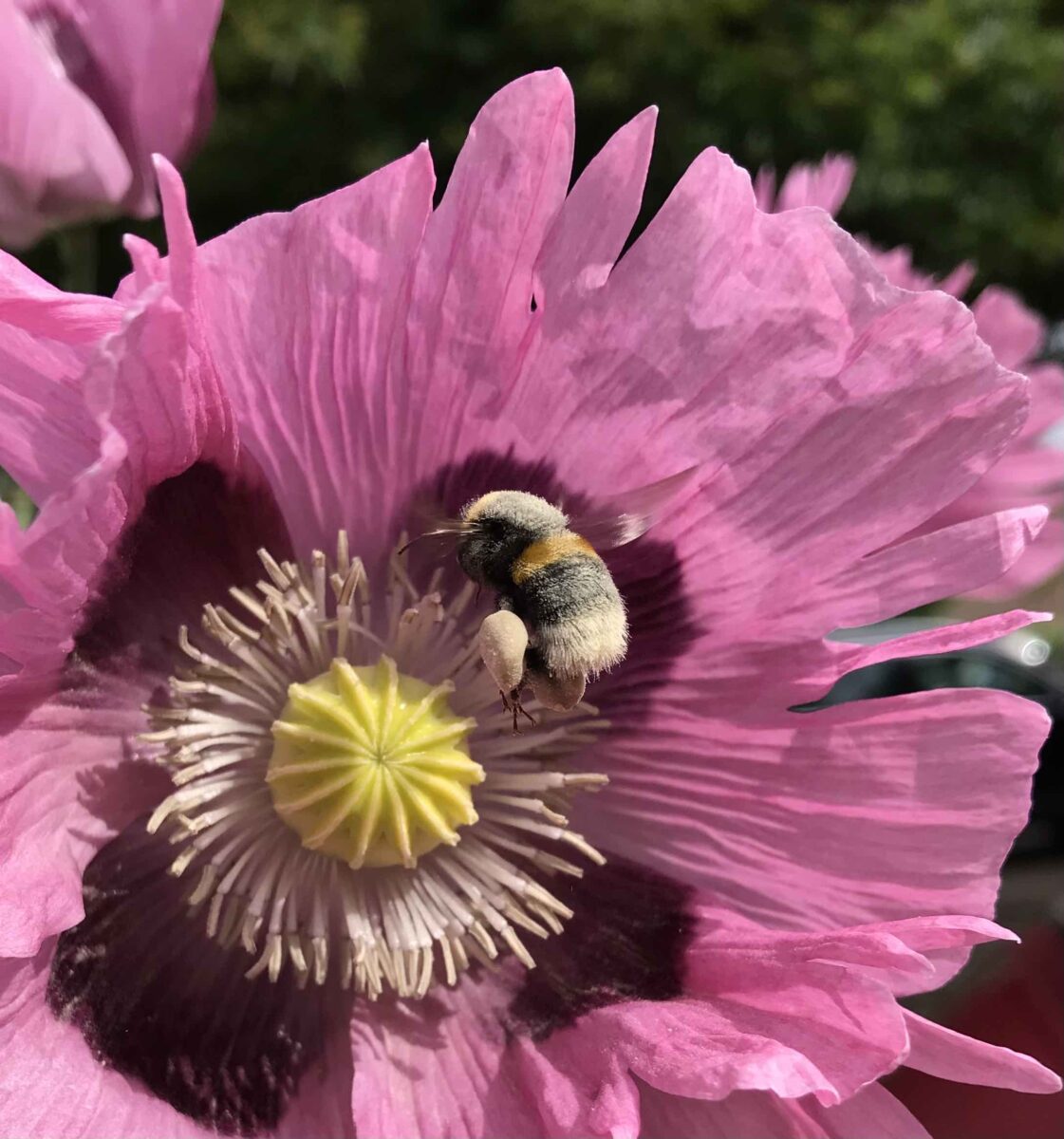
Why Bees are Important: Food Security
The importance of bees is closely tied to global food production and economy. Many crops depend on insect pollination. Fruits, nuts, and oilseed crops all rely on bee activity. So without pollinators, crops fail and food systems become less stable. This can affect supply and demand, and ultimately costs.
Wild bees are often more effective pollinators than managed honeybees. Their diversity allows pollination across a wider range of habitats and weather conditions. They are generally more resilient, and don’t rely on human caretakers. So, protecting wild bee populations supports long term food security.
However, it is critical that ecologists and land managers have the skills to design pollinator friendly landscapes. Conservation courses help individuals, organisations and professionals understand how habitat creation and land use decisions affect insect populations.
Pollination and Healthy Ecosystems
As we have seen, bees support the reproduction of many crop plants, but they also support wild plants. It is these plants form the base of food webs, providing nectar, seeds, and shelter for other species.
When bee populations decline, plant diversity often declines as well. This has knock on effects for birds, mammals, and insects. Pollination is a key ecosystem service that supports nature recovery. This is why bees are important for healthy ecosystems, and why they should be a priority for us in conservation.
Habitat management for pollinators includes creating flower rich grasslands, managing woodland edges, and restoring hedgerows. Bee conservation courses give conservation professionals practical knowledge to support these habitats.
Bees are Important for Economics
Bees contribute billions to the global economy through crop pollination. In the UK, insect pollination provides major value to agriculture and horticulture. This value is often overlooked because it happens quietly in the background.
Investing in pollinator conservation is more cost effective than replacing natural pollination with artificial methods. This makes pollinator knowledge an essential skill for modern land management, as well as an understanding of why bees are important.
Ecological training courses help professionals communicate the economic value of bees to landowners, farmers, and policy makers. World Bee Day is a tool to raise awareness of this hidden economic contribution.
Threats Facing Bee Populations
Bee populations face serious pressures. Habitat loss is a major factor. Intensive farming reduces flower rich habitats and poisons bee populations with pesticides. Urban development fragments landscapes.
Climate change adds further stress. Changing weather patterns affect flowering times and nesting success. Bees are specifically adapted to life in cooler climates, and climate change is driving them north faster than the plants they are used to visiting. Diseases and invasive species create additional challenges.
Habitat Management for Pollinators
Good habitat management can transform landscapes for bees. Small changes can make a large difference. Key actions include planting native wildflowers, reducing mowing frequency, and creating nesting habitats.
Woodland rides, field margins, and urban green spaces can all support pollinators when managed well. Connectivity between habitats is also important for healthy bee populations, and to allow bees to migrate with the changing climate.
Our habitat management, habitat restoration and woodland management for biodiversity courses are all good places to start if you want to develop the skills needed to protect bees. If you want to learn about insects specifically we also have an Introduction to Entomology course, which takes you on an exciting journey through the world of insects.
At Ecology Training UK, we provide ecological training courses that support pollinator conservation and habitat management. Our courses focus on developing practical skills and real-world experience.
Why Bees Are Important
The importance of bees cannot be overstated. They support ecosystems, food production, and economic stability. Their decline could have catastrophic ramifications for global food security, economy and biodiversity.
World Bee Day helps remind us each year that action is needed to protect these beautiful insects. At Ecology Training UK, we are committed to supporting professionals who want to protect pollinators and restore habitats for the future.