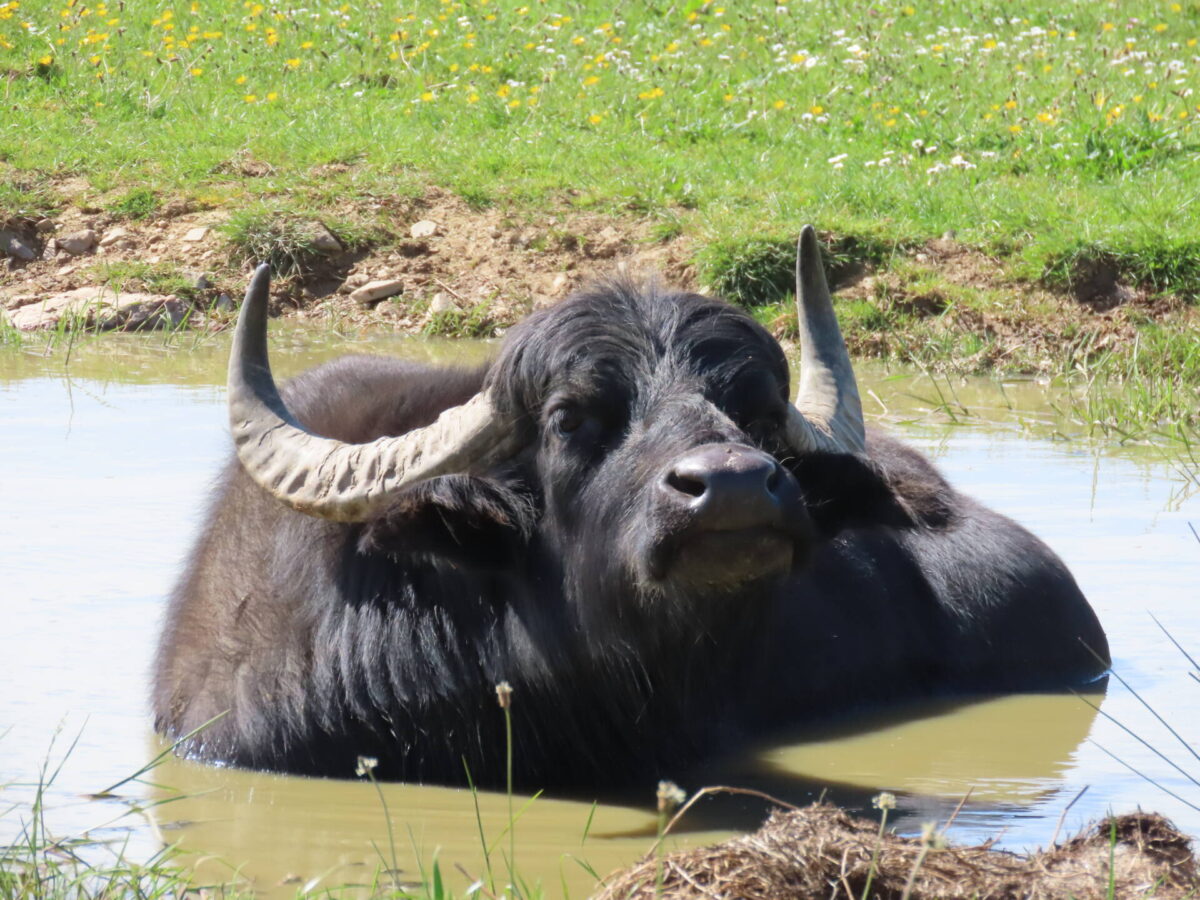

Here’s how to survive a heatwave when you work outdoors, and how to help protect wildlife through extreme heat.
This summer has been a scorcher so far, and there’s no denying that summers are getting hotter. We are experiencing more frequent heatwaves, dry spells are lasting longer, and huge disruptions are being caused by the extreme weather. This can be felt particularly keenly by those of us who spend long hours working outside. So do you know how to survive a heatwave when you work outdoors?
For wildlife, there is no escape from the relentless heat, and while we may not be able to change the weather, we can take some simple steps to mitigate for it, for ourselves, and our wildlife. In situations like this, small changes can make big differences. So, let’s look at some of the ways that ways we can adapt to cope with the heat.
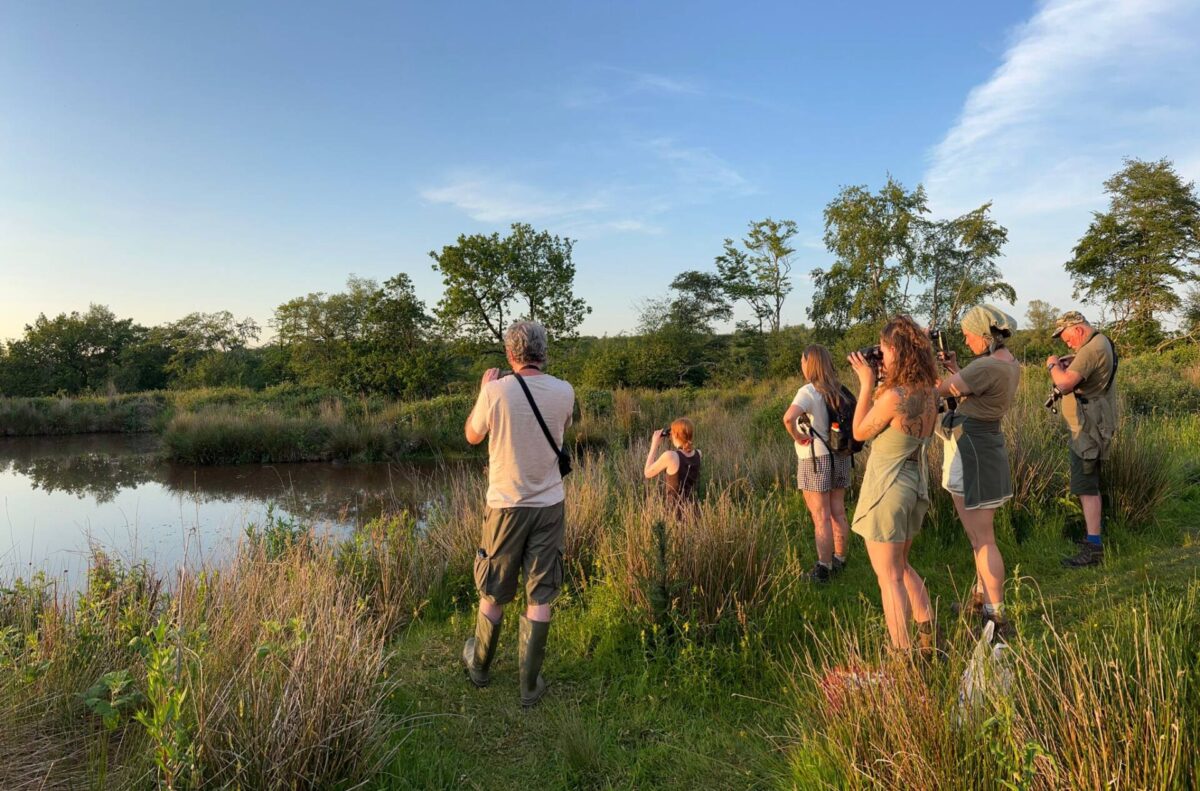
How Wildlife Copes with the Heat
Many of our native species have evolved to cope with warm and changeable weather, but prolonged periods of extreme heat can push them beyond their limits. Understanding how different animals respond helps us support them, and interpret what we see during surveys.
Birds
One of the easiest ways to help birds during hot weather is by providing fresh, shallow water for drinking and bathing. Bird baths or shallow dishes should be cleaned and refilled daily to prevent the build-up of algae and bacteria. Farmers and landowners should be encouraged to look after ponds and waterways on their land to ensure safe and accessible water for birds. Providing a simple perch can instantly make water more accessible for a range of birds too, so think about how they will access water if necessary.
If you’ve ever seen a bird panting or holding its wings slightly away from its body, this is it trying to lose excess heat. Birds will also spend more time in shaded vegetation during the hottest parts of the day, so avoid unnecessarily disturbing them during peak temperatures.
Mammals
Hedgehogs, foxes and badgers also appreciate access to fresh water during dry spells. A shallow bowl left in a quiet corner of the garden can be invaluable for your wildlife at home.
If you have ponds or waterways on land you are working on, make sure wildlife can climb out safely by providing ramps or gently sloping edges. Leaving natural patches of dense vegetation, log piles and shady corners untouched also provides much-needed shelter from the heat.
Bats
We know that bats are also mammals, but they deserve a special mention as they are such an important group of species for us ecologists and conservationists. Hot weather can have a surprising impact on bat behaviour and of course survey results.
Insect activity often declines during the hottest parts of the day and may not peak until much later in the evening. As a result, bats may delay emergence while waiting for prey to become available.
Prolonged heat can also create problems inside maternity roosts. Roof spaces can become dangerously hot, forcing female bats to move pups within the roost or even abandon overheated sites altogether.
For ecologists, this means weather conditions should always be considered when interpreting survey results. Reduced bat activity isn’t necessarily evidence of their absence; it may simply reflect challenging environmental conditions. Pay close attention to signs of bats and adjust your survey times, and even dates if you need to to work around extreme heat.
Insects
Many insects avoid overheating by retreating deep into vegetation during the hottest part of the day. Pollinator activity is often concentrated during cooler mornings and evenings.
Leaving patches of long grass, flowering plants and uncut vegetation provides valuable shelter as well as food resources. During heatwaves, delaying mowing can make a significant difference both on a large scale and on a local scale in your garden.
If you’re creating wildlife-friendly spaces, consider adding a shallow dish of water with stones or pebbles so bees and butterflies can drink safely without the risk of drowning, or add a branch or rock to a pond to create places for them to land and access water.
Amphibians and Reptiles
For amphibians, ponds become even more important during prolonged dry weather. Maintaining pond water levels where possible and leaving damp refuges such as logs, stones and dense vegetation can provide vital shelter.
Reptiles also adapt their behaviour, often basking early in the morning before retreating to cooler areas and becoming active again later in the day. If you’re conducting reptile surveys or translocations you will need to start as early as possible in order to find reptiles under mats, and if the weather is too warm, they won’t use basking mats at all, which may result in anomalous results that cannot be relied upon. They may even estivate, which is a term used for the equivalent of hibernation but in hot summers. So you may not get any reptiles on your surveys and so they should be delayed until the weather is less extreme.
Making Gardens Wildlife-Friendly
Ultimately, the first place we should start when trying to support wildlife is our own gardens. Gardens can become important refuges during hot weather, they’re typically easier to manage than large spaces, and we can easily make changes such as not mowing or adding a small pond.
Simple actions include:
- Keeping bird baths topped up with fresh water.
- Leaving leaf piles, long grass and dense vegetation in place.
- Planting shrubs and climbers to create natural shade.
- Avoiding tidying that removes cool, sheltered habitats and micro-habitats.
Collectively, these small changes help wildlife survive increasingly challenging conditions. By encouraging others to also make changes, we can increase our impact. Seeing how these small changes impact the wildlife in your garden also helps us to understand their true value, and advocate for others making changes too.
What Ecologists Should Consider
Hot weather doesn’t just affect wildlife; it can also influence the quality of ecological surveys and the wellbeing of those carrying them out.
Survey Planning
It’s just as important to check the weather forecast in the summer as it is in the winter. High temperatures can affect species behaviour, potentially influencing survey outcomes.
Consider whether survey timings should be adjusted, particularly if target species are likely to be less active than usual. As always, record weather conditions carefully, as they provide important context when interpreting survey data.
Health and Safety
Working in extreme heat increases the risk of dehydration, heat exhaustion and fatigue, all of which can reduce concentration and decision-making.
If you’re lone working, ensure someone knows your plans, carry plenty of water, and don’t ignore the early signs of overheating. Maybe start your surveys earlier so you are finished before the full heat has built up.
Equipment Challenges
Hot weather can also take its toll on field equipment. Electrical equipment may overheat in direct sunlight, and batteries often drain more quickly. Optics left exposed can become uncomfortably hot to use, and if left without lenses covered, they can present a significant fire risk. Keeping equipment shaded whenever possible can help prevent potential problems.
Vehicle Checks
Your vehicle becomes even more important during summer fieldwork.
Keep your vehicle stocked with extra drinking water and basic emergency supplies. Try to park in the shade where possible to save your car overheating and becoming uncomfortable when you return to it. Use screen reflectors and cover your seats to keep them cooler for when you return to your car.
If you have air conditioning a car can be a valuable way of cooling down between site visits, but never leave your car with the engine running just to use the air conditioning, unless it is a medical emergency.
Top Tips for Staying Cool in the Field
Looking after yourself is just as important as looking after wildlife. A few simple preparations can make long days outdoors far more comfortable, and avoid any potentially serious risks.
Dress for the Conditions
Choose lightweight, light coloured, breathable clothing that covers your skin. Long sleeves and trousers help protect against both sunburn and ticks, while a wide-brimmed hat and UV-protective sunglasses provide valuable protection from direct sunlight. You can stay cool by pouring water onto your hat or wearing a damp neck scarf.
Stay Hydrated
Don’t wait until you feel thirsty before drinking. Staying hydrated helps your body’s natural cooling system to work efficiently. You will need far more water if you are sweating a lot so take plenty and keep drinking to stay hydrated.
Freeze water bottles overnight so they stay cool throughout the day and utilise insulated flasks. Always pack more water than you think you’ll need and consider electrolyte drinks during particularly long surveys, or if you’re feeling dehydrated. We recommend you add electrolytes to your water as you will also lose salts which can make you ill.
Also consider how your food helps to hydrate you. Foods that have high water content such as fruits, vegetables and salads can help you stay hydrated, and foods with high salt content such as crisps can actively dehydrate you. Having said that some salty foods if you are sweating can be helpful as long as you are drinking plenty of water.
Protect Your Skin
Apply a high-factor sunscreen before heading out and reapply regularly, particularly if you’re sweating. Don’t forget areas that are easily missed, such as your ears, neck and lips—a lip balm containing SPF is well worth packing.
Cooling Tricks
Some surprisingly simple ideas can make a big difference:
- Using a cooling towel around your neck.
- A fine water mist spray.
- A wet buff or neck scarf.
- A cool box filled with chilled drinks.
- Ice packs wrapped in a tea towel.
- Handheld fans or neck fans.
- Use an umbrella for shade in exposed sites.
- Seek shade under a tree.
Eat Little and Often
Heavy meals can leave you feeling sluggish in hot weather.
Fresh fruit such as watermelon, grapes and oranges provides both hydration and energy, while limiting excessive caffeine can help reduce dehydration.
A Changing Climate
Extreme heat is no longer an occasional inconvenience; it is becoming an increasingly familiar feature of our summers.
As climate change continues to bring more frequent heatwaves, wildlife faces growing pressure from drought, habitat loss and rising temperatures. Creating resilient habitats, improving connectivity between green spaces and making gardens more wildlife-friendly all become more and more important.
Individually, our actions may seem small. Collectively, they can have a huge and meaningful impact.
So remember to look after your wildlife, and yourself this summer!