

Every year, at least one participant arrives on one of our courses wearing clothing that isn’t quite suited to the environment we’ll be working in. While it often provides a moment of amusement when they realise the challenge of surveying wildlife in flip-flops or navigating a muddy nature reserve in shorts, inappropriate clothing can quickly become a serious issue. In some circumstances, it may even prevent you from taking part in the fieldwork or course.
While it may seem like a simple consideration, choosing the right clothing and footwear can make a huge difference to your comfort, safety, and enjoyment during a day in the field.
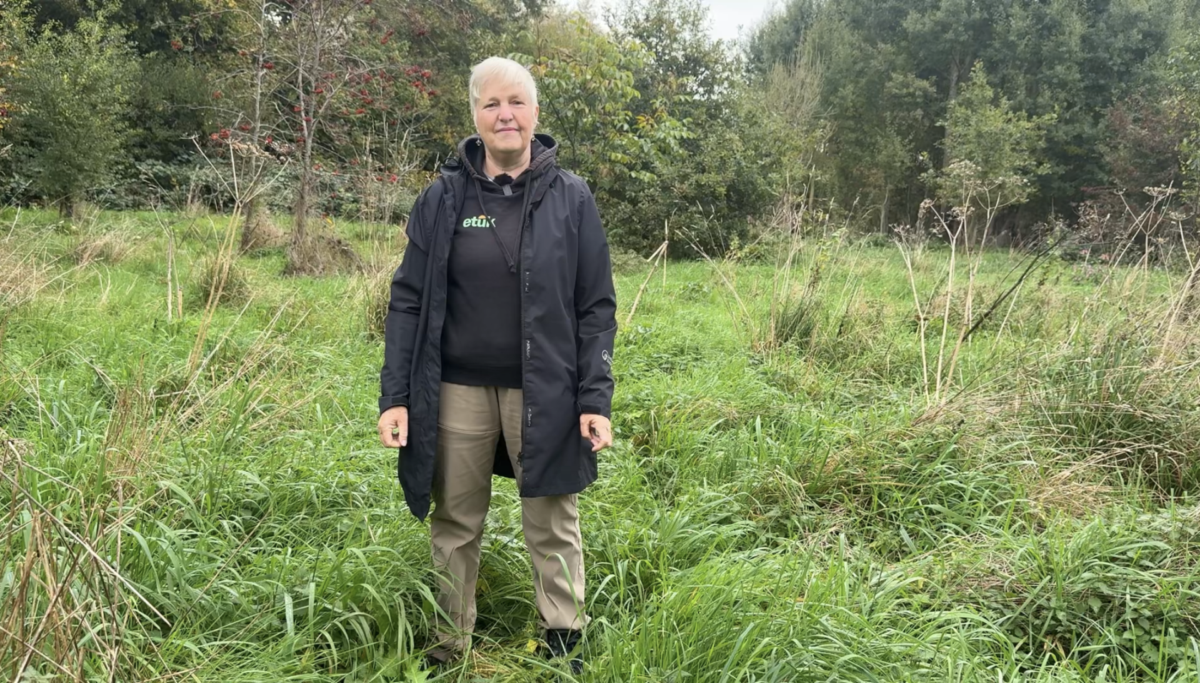
Why Does Clothing Matter?
Much of our professional work, and our courses, take place in nature reserves, woodlands, wetlands, grasslands, and other wild environments. Unlike a stroll through a local park, ecological fieldwork often involves travelling through areas that are uneven, overgrown, prickly, muddy, wet, or difficult to access.
During a typical field trip, you may find yourself:
- Walking through long grass and dense vegetation.
- Crossing muddy, boggy, or waterlogged ground.
- Traversing uneven terrain, tree roots, and hidden holes.
- Brushing past thorny plants such as gorse or brambles.
- Encountering stinging nettles.
- Working in areas where biting insects including ticks are present.
- Spending long periods exposed to the sun and changing weather conditions.
The right clothing helps protect you from these hazards and allows you to focus on the job in hand rather than feeling uncomfortable.
Footwear: Your Most Important Piece of Equipment
Good footwear is essential for ecological fieldwork.
We strongly recommend sturdy walking boots or well-fitting outdoor shoes with good grip and ankle support. Many of the sites we visit can be muddy, slippery, or uneven underfoot, and appropriate footwear helps reduce the risk of slips, trips, and falls.
Footwear to avoid includes:
- Flip-flops.
- Sandals.
- Trainers with little grip, especially white trainers.
- Open-toed shoes.
- Lightweight footwear that offers no protection from mud, water, or uneven ground.
Remember, if conditions are particularly challenging and your footwear is unsuitable, you may not be able to participate fully in the course or complete your job.
Of course, is it is going to be really wet or muddy you might need wellies or even waders!
Long Trousers Are Essential
One of the simplest ways to stay comfortable in the field is to wear long trousers.
Long trousers help protect your legs from scratches, stings, grazes and bites.
While leggings may seem like a practical choice, they generally provide very little protection against thorns, brambles, nettles, or mosquitoes. Instead, choose durable outdoor trousers made from a close-weave fabric. These trousers are quick drying, comfortable and will protect your legs so you can go off-road without discomfort. The close weave also acts as sun protection (usually over Factor 50), and are repellent to mosquitoes and other biting insects.
Avoid Jeans
Although jeans are popular everyday clothing, they are rarely suitable for fieldwork.
Once denim becomes wet, it can remain damp for hours. Wet jeans can quickly become heavy, uncomfortable, and cold, particularly during longer field sessions. In hot weather they can also be extremely uncomfortable and they do not protect against insect bites or thorns.
Cover Up with Long Sleeves
Long-sleeved tops offer excellent protection against:
- Insect bites.
- Scratches or stings from vegetation.
- Sunburn.
Even during warm weather, a lightweight long-sleeved shirt can help keep you comfortable and cool while reducing exposure to the elements.
Layering is often the best approach. Conditions can change rapidly, particularly in the UK, so being able to add or remove layers throughout the day is invaluable. While most of our fieldwork is in the spring and summer, we still recommend bringing a lightweight fleece and lightweight waterproof coat. These will help protect you from rain and wind and give some extra protection against thorny plants like gorse. If you want to buy a waterproof coat, look for one with “rip-stop” fabric as this will not tear on thorns. Also, a knee-length waterproof coat gives more protection than a short one.
Don’t Forget a Hat
A hat is a simple but important piece of field equipment. During sunny weather, it provides protection from sunburn and can help prevent overheating. Sun stroke is a very real danger when working outside all day, and a sun hat is your first line of defence against this, alongside good hydration. In cooler conditions, a hat can also help retain body heat. Depending on the season, either a wide-brimmed sun hat, cap, or warm beanie may be appropriate.
What About Ticks?
Many people assume that clothing can protect them from ticks. Unfortunately, no clothing can guarantee this. Ticks are a natural part of many habitats where ecologists work, including grasslands, heathlands, woodlands, moorlands and nature reserves.
It’s still a good idea to cover up as much as possible, but you must always check yourself for ticks at the end of the day. Ticks will gravitate towards moist, warm places, so always check behind your knees, under your arms and in your groin. Promptly finding and removing ticks significantly reduces potential risks. Ticks should be removed carefully to ensure the entire tick comes out and keep an eye on the area for the next few days to ensure infection hasn’t occurred. If any swelling or redness occurs, or flu-like symptom over the next couple of weeks, see your doctor.
There’s no such thing as bad weather, just inappropriate clothing
British weather has a habit of changing without warning. A sunny morning can quickly become a wet afternoon.
We recommend bringing:
- A waterproof jacket.
- Additional layers for warmth.
- Sun protection during warmer months.
- Drinking water.
- Any personal medication you may require, plus some basic first aid items like alcohol wipes and plasters.
It’s always better to have a waterproof and not need it than to be caught in a downpour without one. You can always sit on it for your picnic lunch.
Dress for the location, plan for the weather
It’s always better to be prepared. Ecology fieldwork is not the same as a walk through the park: you will be expected to get “stuck in” and appropriate clothing will help with this. Don’t worry about what you look like, worry about how you feel, and if your clothes will protect you from plants, insects and weather you will encounter while outside.
If you’re ready to learn more about working in the field, why not come and learn with us? We have a huge range of face-to-face courses, online courses and certificate courses including Certificate in Ecological Consultancy and Certificate in Conservation Management to get your career started, or take it to the next level!